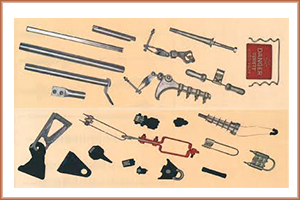
Transmission Line Materials
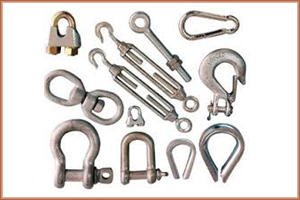
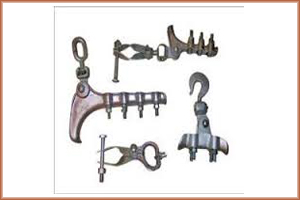
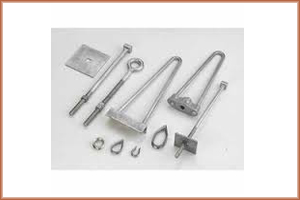
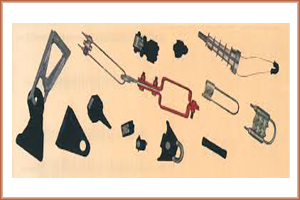
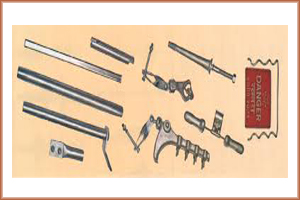
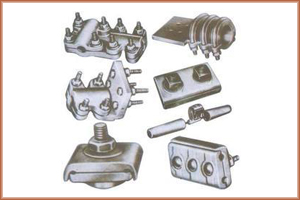
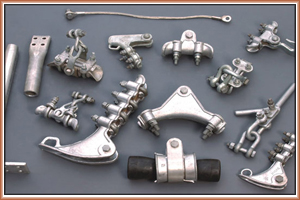
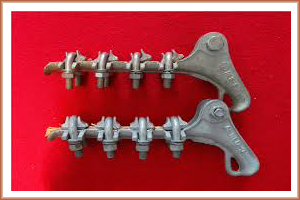
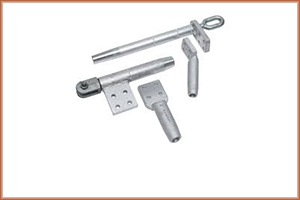
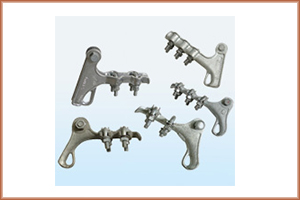
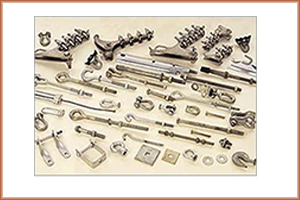
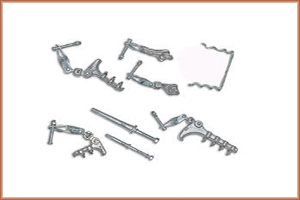
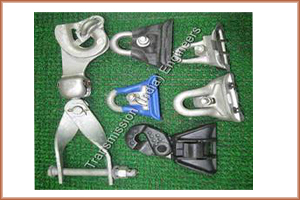
Manufacturer and supplier of Transmission Line Materials. Our range of Transmission Line Materials includes Stay Set and Operating Rod, Stay Set With Wire, Safety Belt, PG Clamp, Stay Wire and ACSR, Industrial Gloves, Tum Buckle, Fire Stand With Buckets, Epoxy DMC, Earthing Material, D P Structure, Discharging Rods, Copper Wire, Clamp Connector and Cable Jointing kit Products etc.
Transmission Line Materials are the essential components used for the construction, installation, and maintenance of overhead power transmission lines. These materials ensure the safe, efficient, and uninterrupted transmission of electricity from power generation stations to substations and distribution networks. In India, transmission line materials are widely used by state electricity boards, power utilities, EPC contractors, renewable energy projects, railway electrification projects, industrial plants, and infrastructure developers.
With the rapid growth of smart grids, renewable energy, and high-voltage transmission projects, the demand for high-quality transmission line materials in India continues to increase. Premium transmission line components improve electrical performance, minimize transmission losses, withstand harsh environmental conditions, and ensure long service life.
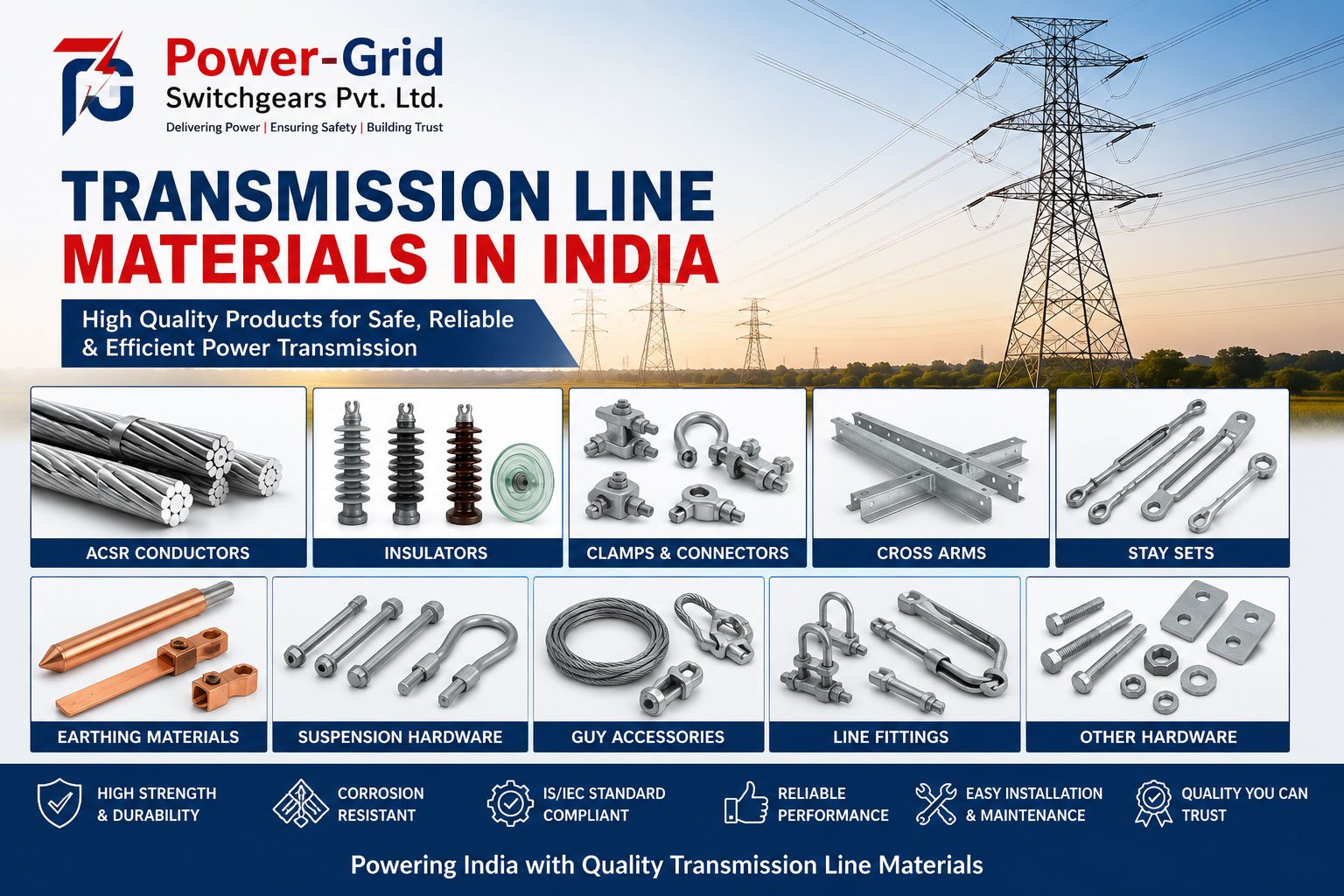
The quality of transmission line materials directly affects the reliability and safety of the electrical network. Poor-quality components may lead to conductor failures, insulation breakdowns, power interruptions, and expensive maintenance. Choosing premium-quality transmission line hardware ensures long-term performance, improved electrical efficiency, and lower operational costs.
High-quality transmission line materials provide excellent mechanical strength, superior electrical conductivity, corrosion resistance, weather protection, and compliance with Indian and international quality standards. These products are designed to perform efficiently under challenging environmental conditions while ensuring uninterrupted power transmission.
Conductors are the primary current-carrying components of overhead transmission systems. They transport electrical energy over long distances with minimum power loss. Different conductor types are selected based on voltage level, transmission capacity, environmental conditions, and project requirements.
Common conductor types include ACSR Conductors, AAAC Conductors, AAC Conductors, ACAR Conductors, and HTLS Conductors. These conductors offer high tensile strength, excellent conductivity, low sag performance, and long operational life.
Transmission line insulators electrically isolate live conductors from transmission towers and supporting structures. They play a critical role in maintaining system safety and preventing current leakage.
Popular insulator types include Polymer Insulators, Porcelain Insulators, Glass Disc Insulators, Pin Insulators, Suspension Insulators, Strain Insulators, and Post Insulators. These insulators provide high dielectric strength, UV resistance, pollution resistance, and exceptional mechanical durability.
Clamps and connectors ensure secure electrical and mechanical connections between conductors and transmission hardware. They help maintain electrical continuity while withstanding high mechanical loads.
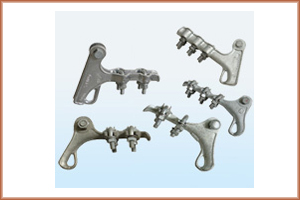
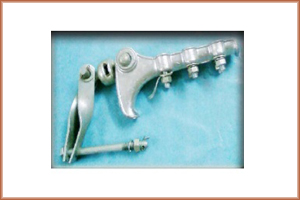
Common products include Suspension Clamps, Tension Clamps, Parallel Groove (PG) Clamps, Compression Connectors, Dead End Clamps, Repair Sleeves, and Mid Span Joints. High-quality clamps reduce power loss and improve transmission reliability.
Cross arms provide mechanical support to transmission conductors while maintaining proper phase spacing. They are manufactured using heavy-duty steel and hot-dip galvanized for corrosion resistance.
MS Cross Arms, GI Cross Arms, and fabricated cross arms are widely used in overhead transmission and distribution systems because of their high strength and long service life.
Stay sets provide additional mechanical support to poles and transmission structures. They help prevent tilting caused by conductor tension, wind pressure, and external loads.
A complete stay set generally includes Stay Rods, Stay Plates, Turn Buckles, Stay Clamps, Stay Wire, and Guy Accessories manufactured from premium galvanized steel for long-lasting performance.
Proper earthing is essential for protecting transmission systems from electrical faults and lightning strikes. Earthing materials ensure fault current safely flows into the ground, protecting equipment and personnel.
Common earthing products include GI Earthing Strips, Copper Earthing Strips, Earthing Electrodes, Earth Rods, Earth Clamps, Earthing Wires, and Earthing Accessories suitable for high-voltage applications.
Transmission line materials are widely used in electrical infrastructure projects across India. These components are essential for constructing reliable overhead transmission networks capable of delivering uninterrupted electricity across urban, rural, and industrial regions.
Major applications include power transmission projects, electrical substations, renewable energy plants, solar parks, wind farms, railway electrification, metro rail systems, industrial power distribution, government utility projects, private power companies, and smart grid infrastructure.
High-quality transmission line materials are widely used by power generation companies, state electricity boards, EPC contractors, renewable energy developers, infrastructure companies, manufacturing industries, steel plants, cement plants, mining projects, oil and gas facilities, airports, smart city projects, and commercial electrical installations.
Premium transmission line materials provide superior electrical performance, enhanced mechanical strength, longer service life, and reduced maintenance costs. Manufactured using high-grade raw materials and advanced production techniques, these components comply with IS, IEC, and utility standards to ensure maximum safety, efficiency, and durability.
If you are looking for reliable Transmission Line Materials in India, choose products manufactured with strict quality control, precision engineering, and tested performance to ensure long-term reliability in every power transmission project.
The performance of transmission line materials depends on their technical specifications, manufacturing quality, and compliance with national and international standards. High-quality transmission line components are designed to withstand heavy mechanical loads, electrical stress, extreme weather conditions, and long-term outdoor exposure.
Modern transmission line materials are manufactured using galvanized steel, aluminium alloys, copper, composite polymers, porcelain, and high-strength insulating materials to ensure maximum durability and operational efficiency.
Premium transmission line materials offer numerous advantages for utilities, EPC contractors, and industrial power projects. They are engineered to provide reliable performance in both normal operating conditions and harsh environments.
Key features include high tensile strength, corrosion resistance, excellent electrical conductivity, UV resistance, low maintenance, weatherproof construction, easy installation, long service life, and compliance with IS and IEC standards.
Manufacturing transmission line materials involves precision engineering, strict quality control, and advanced production technologies. Every component is produced using certified raw materials to ensure consistent quality and long-term reliability.
The manufacturing process generally includes raw material inspection, cutting and fabrication, machining, welding, forging, galvanizing, heat treatment, assembly, dimensional inspection, quality testing, and final packaging before dispatch.
Reliable transmission line materials are manufactured according to recognized Indian and international standards to ensure safety and dependable performance. Compliance with these standards guarantees product quality and compatibility with utility requirements.
Common standards include IS Standards, IEC Standards, BIS Certification, ISO 9001 Quality Management Systems, utility specifications, and project-specific technical requirements issued by government and private power companies.
Before dispatch, every transmission line component undergoes comprehensive quality testing to verify its electrical, mechanical, and structural performance. These tests ensure reliable operation throughout the product's service life.
Common quality tests include tensile strength testing, galvanization thickness testing, dimensional accuracy inspection, electrical conductivity testing, mechanical load testing, corrosion resistance testing, visual inspection, and routine factory acceptance tests.
Investing in high-quality transmission line materials significantly improves power system reliability while reducing maintenance and replacement costs. Premium products deliver consistent performance even under challenging environmental conditions.
Major advantages include lower transmission losses, improved system efficiency, excellent corrosion protection, higher mechanical strength, enhanced safety, reduced downtime, faster installation, longer operational life, and lower lifecycle costs.
Selecting the right transmission line materials is essential for ensuring the long-term success of any electrical infrastructure project. Buyers should always evaluate product quality, manufacturer reputation, technical compliance, and after-sales support before making a purchase.
Important factors include certified manufacturing facilities, compliance with IS and IEC standards, hot-dip galvanized finish, high-quality raw materials, competitive pricing, timely delivery, technical support, warranty, and proven experience in power transmission projects.
A trusted manufacturer offers consistent product quality, advanced manufacturing facilities, experienced engineering support, and strict quality assurance processes. Reliable suppliers also provide customized solutions for government utilities, industrial projects, renewable energy plants, substations, and EPC contractors.
Working with an experienced manufacturer helps reduce project risks, improve installation efficiency, and ensure uninterrupted performance throughout the life of the transmission network.
Proper maintenance improves system reliability and extends the service life of transmission line components. Regular inspection helps identify wear, corrosion, loose fittings, or damaged hardware before major failures occur.
Routine maintenance should include visual inspection, tightening of hardware, replacement of damaged components, cleaning of insulators, corrosion monitoring, conductor inspection, and periodic testing according to utility maintenance schedules.
India's rapidly growing power sector requires durable and high-performance transmission line materials to support increasing electricity demand. Reliable transmission infrastructure is essential for connecting power generation stations with substations, industrial facilities, renewable energy plants, and distribution networks across the country.
Using premium-quality transmission line materials ensures efficient power transmission, minimizes technical losses, enhances public safety, and supports the development of a stronger and smarter electrical grid for the future.
Transmission line materials are the electrical and mechanical components used to construct overhead power transmission networks. These include conductors, insulators, clamps, connectors, cross arms, stay sets, earthing materials, and other transmission hardware required for safe and reliable power delivery.
Transmission line materials are widely used in power transmission projects, substations, renewable energy plants, railway electrification, industrial power systems, smart grid projects, government utilities, and electrical infrastructure developments across India.
ACSR Conductors, AAAC Conductors, AAC Conductors, ACAR Conductors, and HTLS Conductors are among the most commonly used conductors for overhead transmission and distribution systems due to their excellent electrical and mechanical performance.
Polymer insulators are lightweight, highly resistant to pollution, UV rays, moisture, and vandalism. They require less maintenance and provide better performance in harsh environmental conditions compared to conventional porcelain insulators.
Clamps and connectors securely join conductors and transmission hardware while maintaining excellent electrical continuity. They also withstand high mechanical loads and reduce power losses during transmission.
Hot-dip galvanization protects steel components from rust and corrosion, significantly increasing their service life even in coastal, industrial, and high-humidity environments.
Quality transmission line materials should comply with relevant IS, IEC, BIS, and ISO standards to ensure reliable performance, safety, and long-term durability.
Premium-quality materials reduce transmission losses, minimize maintenance requirements, improve electrical efficiency, increase mechanical strength, and help prevent unexpected power failures.
Routine maintenance includes visual inspections, tightening hardware, cleaning insulators, checking conductor conditions, monitoring corrosion, replacing damaged components, and conducting periodic testing as per utility guidelines.
Select a manufacturer that offers certified products, modern manufacturing facilities, strict quality control, compliance with IS and IEC standards, competitive pricing, timely delivery, technical support, and proven experience in power transmission projects.
Transmission Line Materials are the backbone of India's electrical transmission infrastructure. From conductors and insulators to clamps, connectors, cross arms, stay sets, and earthing materials, every component plays a vital role in ensuring safe, efficient, and uninterrupted power transmission.
Choosing high-quality transmission line materials from a trusted manufacturer helps improve system reliability, reduce maintenance costs, enhance operational efficiency, and ensure long-term performance for utility, industrial, infrastructure, and renewable energy projects. Whether you are planning a new transmission network or upgrading an existing one, investing in certified and durable transmission line materials is essential for building a dependable power system.